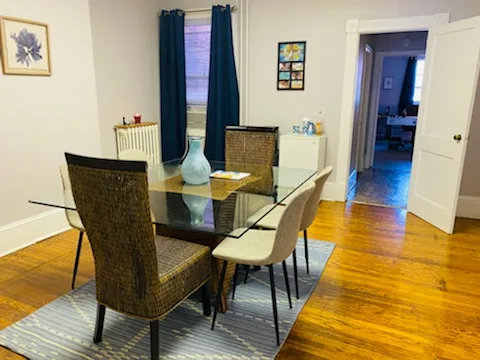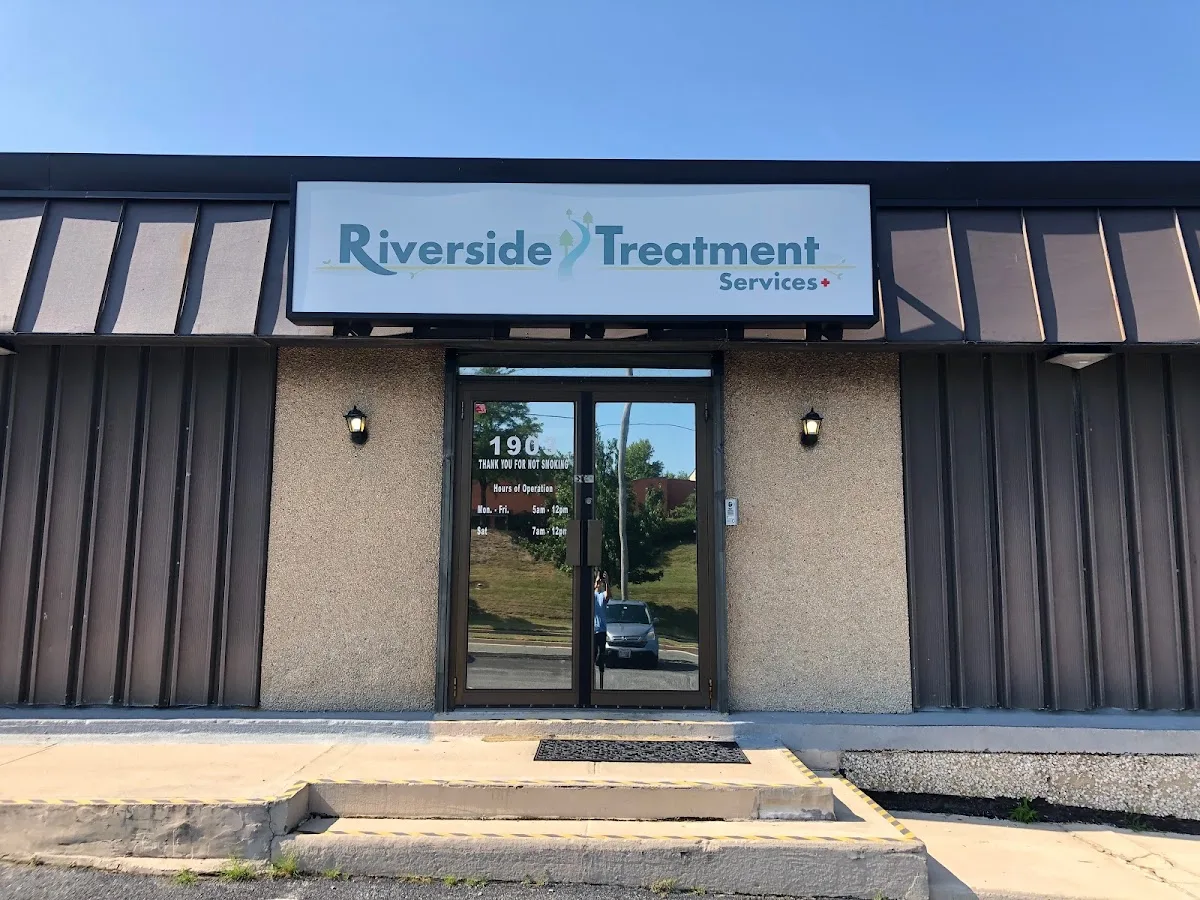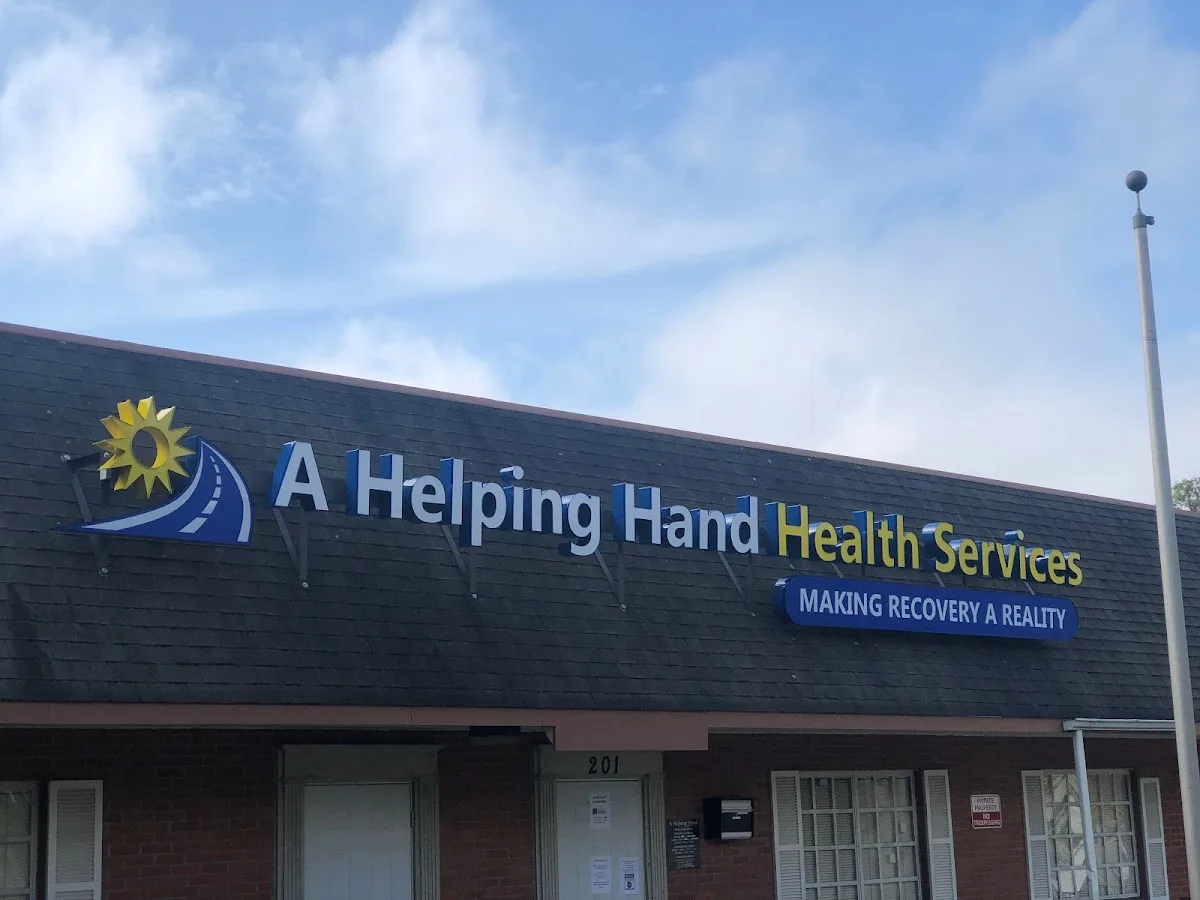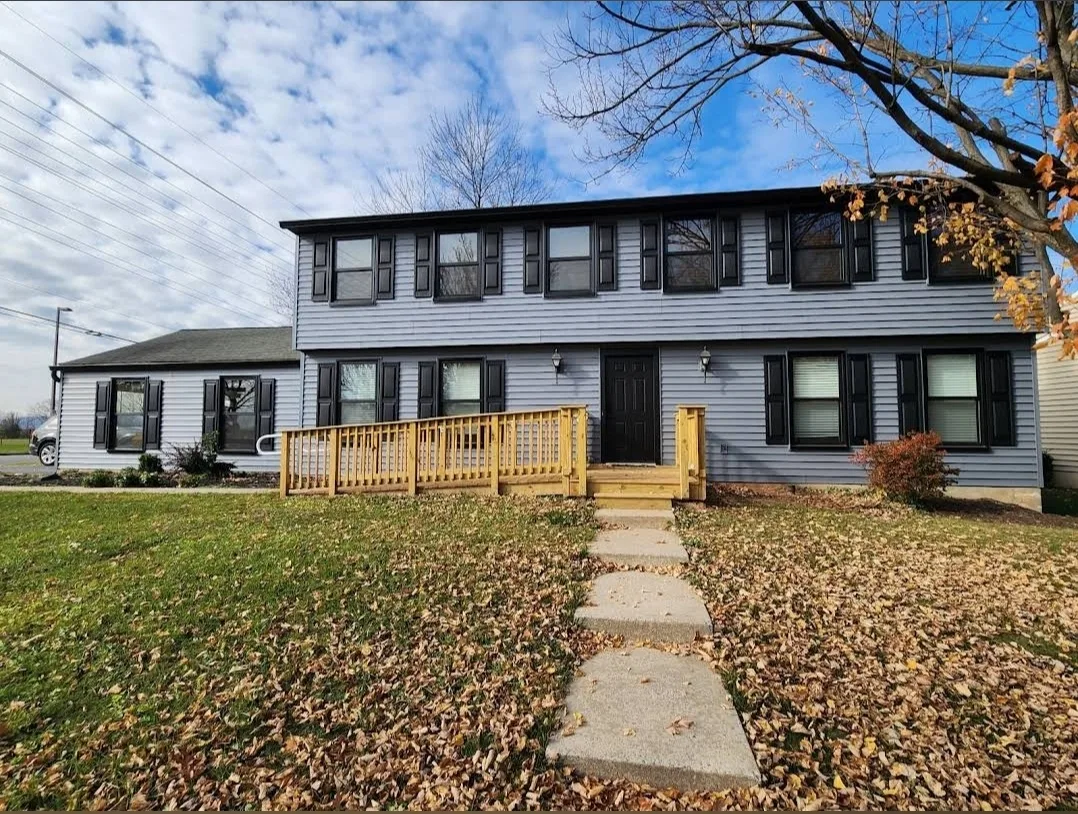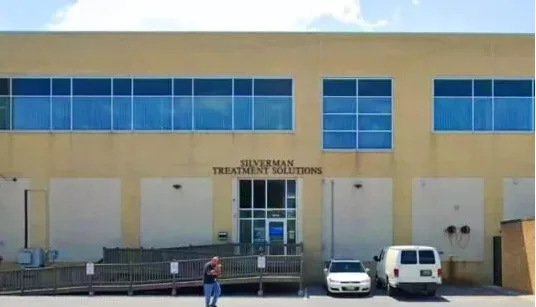
Choosing the right sober living home is a crucial step in the journey of recovery. In Maryland, a variety of options are available, but it's essential to find a place that resonates with your needs and supports your path towards lasting sobriety. This guide will provide you with the necessary insights to make an informed decision and help you feel empowered in your recovery journey.
What Makes a Quality Sober Living Home?
A quality sober living home offers a supportive environment that fosters recovery. Here are some key attributes to look for:
- Supportive Community: A home where residents encourage one another and share their experiences.
- Structured Environment: Clear routines and guidelines to help individuals transition back to independent living.
- Qualified Staff: Trained professionals who understand addiction and recovery processes.
- Accessibility to Resources: Connections to therapy, support groups, and other recovery resources.
- Safe and Clean Living Conditions: A welcoming environment that promotes health and well-being.
Red Flags to Avoid
While searching for a sober living home, it’s crucial to be aware of potential red flags that may indicate a less-than-ideal environment:
- Unregulated Facilities: Homes that lack proper licensing or certification can be risky.
- High Turnover Rate: Frequent changes in residents may signify instability.
- Lack of Structure: Homes that do not enforce rules or schedules may not provide the support needed.
- Negative Atmosphere: If the environment feels hostile or unsupportive during your visit, trust your instincts.
- Unclear Policies: Homes that cannot clearly explain guidelines and expectations should be approached with caution.
Questions to Ask During Tours
When visiting potential sober living homes, asking the right questions can help you gauge whether the environment is a good fit for you:
- What is the admission process? Understanding how residents are selected can give insight into the home's standards.
- What are the house rules? Knowing the expectations and guidelines is vital for your comfort.
- What types of support are available? Inquire about therapy, group meetings, and other recovery resources.
- How are conflicts handled? Effective conflict resolution strategies are essential in a communal living setting.
- What is the typical length of stay? Understanding the duration can help set your expectations for recovery.
House Rules and Expectations
Every sober living home will have its own set of rules and expectations. Common house rules may include:
- No substance use of any kind.
- Regular attendance at support meetings.
- Participation in house chores and responsibilities.
- Respect for fellow residents and their privacy.
- Curfews and guest policies.
Make sure you feel comfortable with these rules, as they are designed to create a safe and supportive environment for everyone involved.
Cost and Financial Assistance
The cost of sober living homes in Maryland can vary widely based on location, amenities, and the level of support offered. Generally, you can expect to pay anywhere from $500 to $2,000 per month. Here are some options for financial assistance:
- Insurance Coverage: Check if your health insurance covers sober living expenses.
- State Assistance Programs: Research any available state-funded programs that can help with costs.
- Sliding Scale Fees: Some facilities may offer a sliding scale based on income.
- Payment Plans: Inquire if the home allows for payment plans to ease the financial burden.
The Difference Between Level 1 and Level 2 Sober Homes
Understanding the different levels of sober homes can help you choose the best fit for your recovery:
- Level 1 Homes: Typically less structured, these homes may provide basic support and require residents to be more self-sufficient.
- Level 2 Homes: These homes offer more structure and support, often requiring residents to participate in recovery programs and maintain a higher level of accountability.
Your personal needs and recovery stage will guide you in choosing between these two options.
How to Find Certified Sober Homes in Maryland
To ensure you find a reputable sober living home, consider the following resources:
- National Alliance for Recovery Residences (NARR): This organization can help you find certified homes that meet national standards.
- Local Recovery Centers: Contact local addiction treatment facilities for recommendations.
- Support Groups: Ask members of support groups like Alcoholics Anonymous (AA) or Narcotics Anonymous (NA) for their suggestions.
Success Tips for Sober Living
To thrive in a sober living home, consider implementing these strategies:
- Engage Actively: Participate in house activities and support meetings to build a sense of community.
- Set Personal Goals: Focus on your recovery and set achievable milestones to track your progress.
- Communicate Openly: Share your feelings and challenges with housemates and staff to foster open dialogue.
- Practice Self-Care: Prioritize your mental and physical health through regular exercise, nutrition, and relaxation techniques.
- Stay Committed: Remember that recovery is a journey; stay dedicated to your sobriety and personal growth.
Choosing the right sober living home is a vital step in your recovery journey. By considering these factors and trusting your instincts, you can find a supportive environment that helps you thrive and maintain your sobriety.