Finding the right recovery treatment resource in Maryland can be overwhelming. With many options available, it’s important to compare programs carefully and verify their legitimacy to ensure safe, effective care. Whether you are seeking detox, inpatient treatment, outpatient services, or support groups, understanding how to evaluate providers will help you make informed decisions. This guide offers practical advice on comparing and verifying recovery resources in Maryland, including key questions to ask and how to confirm current provider details.
Understand Different Types of Recovery Resources in Maryland
Recovery resources in Maryland include a variety of services such as medical detox, inpatient and outpatient treatment, medication-assisted treatment (MAT), sober living homes, and peer support groups like AA meetings. Each type serves different needs:
- Detox and Withdrawal Management: Medically supervised detox is critical for safely managing withdrawal symptoms. Qualified medical supervision and access to emergency support like 988 or SAMHSA’s helpline are essential.
- Inpatient Treatment: Intensive, residential care with 24/7 support for individuals requiring structured environments.
- Outpatient Programs: Flexible treatment options allowing patients to live at home while attending therapy and counseling sessions.
- Sober Living Homes: Transitional housing that supports sustained recovery in a drug- and alcohol-free environment.
- Support Groups: Peer-led meetings such as Alcoholics Anonymous (AA) provide ongoing community support.
Knowing these distinctions helps you focus on resources that match your recovery goals.
Checklist for Comparing Recovery Treatment Providers
Use this checklist to evaluate and compare recovery treatment providers in Maryland effectively:
- Licensing and Accreditation: Confirm the provider is licensed by Maryland’s health department and accredited by recognized organizations.
- Qualified Staff: Verify that medical and counseling staff have appropriate credentials and experience.
- Evidence-Based Practices: Ensure the program uses proven treatment methods tailored to individual needs.
- Medical Supervision: For detox or inpatient care, confirm availability of 24/7 medical supervision and emergency protocols.
- Aftercare Support: Check if the provider offers relapse prevention and ongoing recovery support.
- Insurance and Payment Options: Understand accepted insurance plans and financial assistance availability.
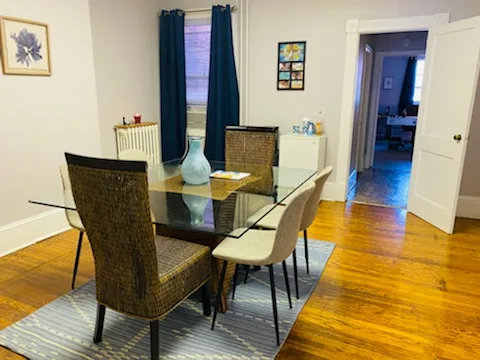
- Facility Environment: Visit if possible or request virtual tours to assess cleanliness, safety, and comfort.
This checklist helps you systematically compare providers on important criteria.
Key Questions to Ask Recovery Treatment Providers in Maryland
When contacting providers, asking specific questions can clarify whether a program fits your needs. Consider these questions:
- What types of treatment services do you offer, and are they tailored to individual needs?
- Is your facility licensed by the Maryland Department of Health and accredited by national organizations?
- Do you provide medically supervised detox with 24/7 monitoring and access to emergency support like 988 or SAMHSA?
- What qualifications and certifications do your medical and counseling staff hold?
- How do you incorporate evidence-based practices in your treatment plans?
- What aftercare or relapse prevention programs do you provide?
- Which insurance plans do you accept, and do you offer financial assistance?
- Can I tour your facility or attend an orientation session before enrolling?
These questions help you gather detailed information to make an informed choice.
How to Verify Current Provider Details in Maryland
Verifying that a recovery provider’s information is current and accurate is crucial. Here are steps to confirm details:
- Check Official State Resources: Use Maryland’s Department of Health website to verify licensing status and any disciplinary actions.
- Consult National Databases: SAMHSA’s treatment locator provides updated listings of verified providers.
- Contact Providers Directly: Call or email to confirm services, staff credentials, and insurance acceptance.
- Read Recent Reviews: Look for recent patient feedback on trusted platforms, but weigh reviews carefully.
- Ask for Documentation: Request copies of licenses, accreditations, and staff certifications.
Regularly verifying this information ensures you rely on trustworthy recovery resources.
Utilize Maryland-Specific Resources and Support Networks
Maryland offers several local resources to assist in your recovery journey. For example, the Maryland Addiction Consultation Service provides guidance for individuals and families. Peer support groups such as AA meetings are widely available across the state, offering community and accountability. Visit /aa-meetings/maryland to find local meeting schedules. Additionally, sober living homes listed on /sober-living/maryland can provide transitional housing options. For treatment programs, the directory at /treatment/maryland offers a comprehensive list of verified providers. Leveraging these Maryland-specific resources can connect you with trusted support tailored to your location.
Safety Considerations: Detox, Medical Supervision, and Emergency Support
If your recovery plan includes detox or inpatient care, safety is paramount. Maryland providers should offer medically supervised detox to manage withdrawal symptoms safely. Qualified medical staff must be available 24/7 to monitor health and intervene if complications arise. Emergency support through the 988 Suicide & Crisis Lifeline and SAMHSA’s national helpline should be accessible. Always confirm these safety measures before enrolling in a program. If you or a loved one experience a crisis, calling 988 connects you to immediate assistance. Ensuring these safeguards protects your health during vulnerable stages of recovery.
Choosing the right recovery treatment resource in Maryland requires careful comparison and verification. By understanding service types, using checklists, asking key questions, and confirming provider details through official channels, you can find safe, effective support. Remember to utilize Maryland-specific directories and support networks, and prioritize programs with qualified medical supervision and emergency protocols. Taking these steps empowers you to make informed decisions on your path to lasting recovery.
Sober Network is a directory, not an intake form. Explore local facilities and contact providers directly.