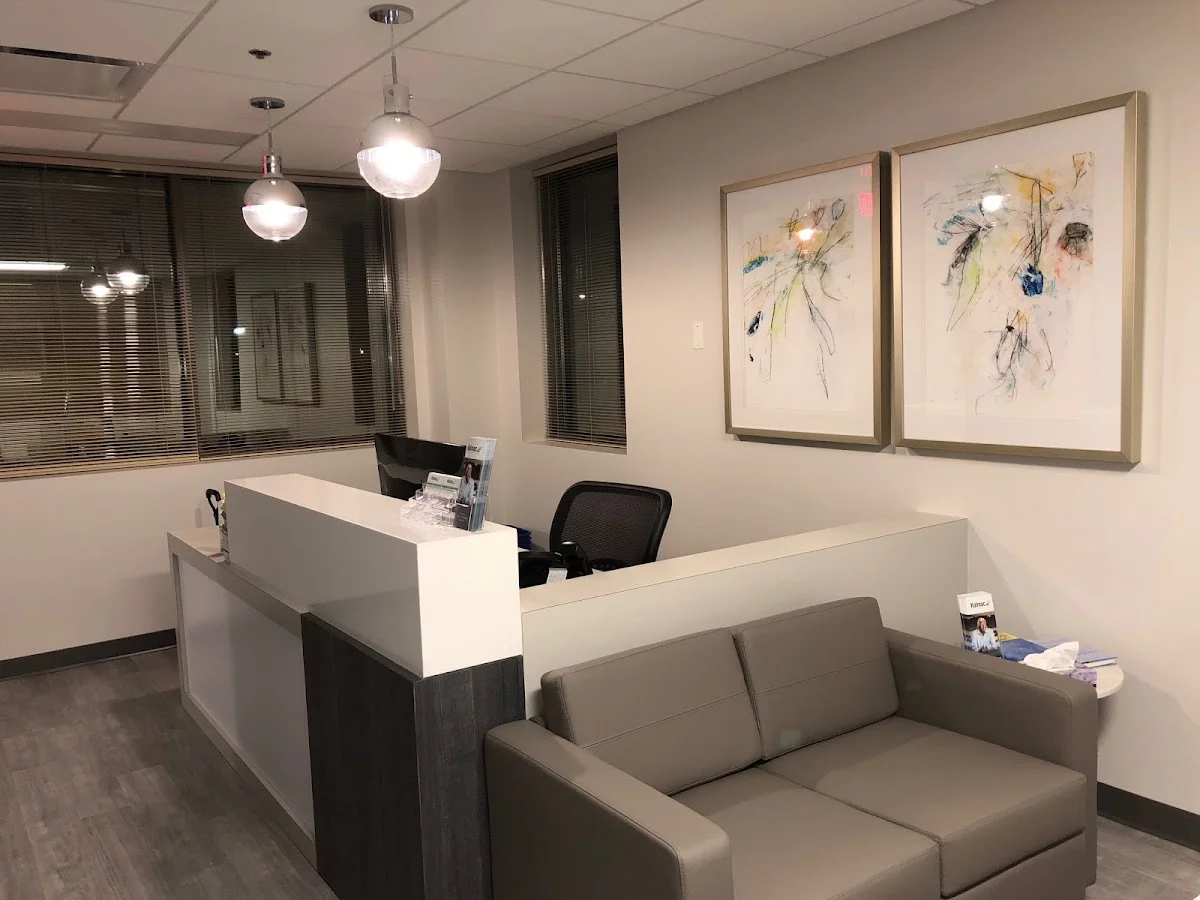
Embarking on the journey of addiction recovery can feel overwhelming, especially when it comes to the process of detoxification. Understanding what to expect from medical detox in Maryland can empower you or your loved one to take the first steps toward a healthier, sober life. This guide will provide vital information on medical detox, withdrawal timelines, medications used, daily routines, preparation strategies, and the importance of accredited detox centers.
의료 해독과 가정 해독의 차이점
When considering detox, one of the first decisions is whether to undergo medical detox or attempt detox at home. Here’s how they differ:
- 의료 해독: Conducted in a controlled environment, medical detox provides 24/7 supervision by healthcare professionals. This approach ensures safety and comfort, especially during severe withdrawal symptoms.
- 홈 디톡스: This involves managing withdrawal at home without medical supervision. While it may seem appealing for its privacy, it can pose significant risks, especially for individuals with severe addictions or health complications.
출금 일정
Withdrawal symptoms can vary greatly depending on the substance abused. Here’s a general timeline for three common substances:
술
- 6~12시간: Symptoms like anxiety, tremors, and sweating may begin.
- 24~48시간: Risk of delirium tremens (DTs) can occur, presenting severe symptoms such as confusion and hallucinations.
- 3~7일: Symptoms typically peak, gradually tapering off after the first week.
오피오이드
- 6~12시간: Initial symptoms may include muscle aches and cravings.
- 1~3일: Symptoms intensify, including nausea, vomiting, and insomnia.
- 5~7일: Symptoms usually begin to subside, yet emotional and psychological symptoms can persist longer.
벤조디아제핀
- 1-2일: Symptoms may start to appear, including anxiety and insomnia.
- 3~7일: Withdrawal symptoms peak and can include seizures.
- 2-4 weeks: Many physical symptoms diminish, but psychological symptoms can linger for months.
해독 과정에서 사용되는 약물
Medical detox often incorporates medications to ease withdrawal symptoms and cravings. Common medications include:
- For Alcohol: Benzodiazepines (like Lorazepam) are often used to manage symptoms and prevent seizures.
- For Opioids: Medications such as Methadone or Buprenorphine can help reduce cravings and withdrawal symptoms.
- For Benzodiazepines: Tapering off with a long-acting benzodiazepine can minimize withdrawal effects.
해독 프로그램에서의 전형적인 하루
Understanding a typical day in detox can help ease anxiety about the experience. Here’s what you can generally expect:
- 아침: Vital signs are checked, and a healthcare professional will assess your withdrawal symptoms. Medication may be administered.
- 식사: Nutritious meals are provided to support physical health and recovery.
- Activities: Structured activities may include therapy sessions, group discussions, and relaxation techniques to foster emotional well-being.
- 저녁: A calming routine, including medication management and preparation for the next day, is established.
본인 또는 사랑하는 사람을 위한 준비
Preparation can significantly enhance the detox experience. Here are some suggestions:
- Gather necessary personal items, such as comfortable clothing and hygiene products.
- Discuss fears and concerns with a healthcare provider or therapist.
- Educate yourself about the detox process and what to expect.
- Establish a support system of family and friends who can provide encouragement.
해독 치료가 의학적으로 필요한 경우와 선택적인 경우
Determining whether detox is necessary is crucial. Medical detox is often essential when:
- 해당 환자는 심각한 금단 증상을 겪은 병력이 있습니다.
- There are co-occurring medical or mental health issues.
- The person is addicted to substances with high withdrawal risks, like alcohol or benzodiazepines.
Conversely, detox may be considered optional if an individual has a mild addiction and is able to manage withdrawal symptoms safely at home, though this is rarely recommended.
해독 후에는 어떤 일이 일어날까요?
Once detox is complete, the next step is often rehabilitation. This phase can include:
- Inpatient or outpatient therapy programs to address underlying issues.
- Support groups like Alcoholics Anonymous (AA) or Narcotics Anonymous (NA).
- Continued therapy to develop coping strategies and prevent relapse.
Finding Accredited Detox Centers in Maryland
Choosing an accredited detox center is vital for ensuring safety and effective treatment. Here are some tips for finding one:
- Research the center’s accreditation status through organizations like the Joint Commission or CARF.
- Read reviews and testimonials from former clients.
- Check for licensed medical staff and available treatment options.
- Contact the center to inquire about their approach to detox and support services.
In conclusion, understanding the medical detox process can alleviate fears and prepare you for a successful journey towards recovery. Remember, seeking help is a sign of strength, and with the right support, healing is possible.
메릴랜드주에서 더 많은 회복 지원 정보를 찾아보세요
Sober Network is a directory, not an intake form. Explore local facilities and contact providers directly.