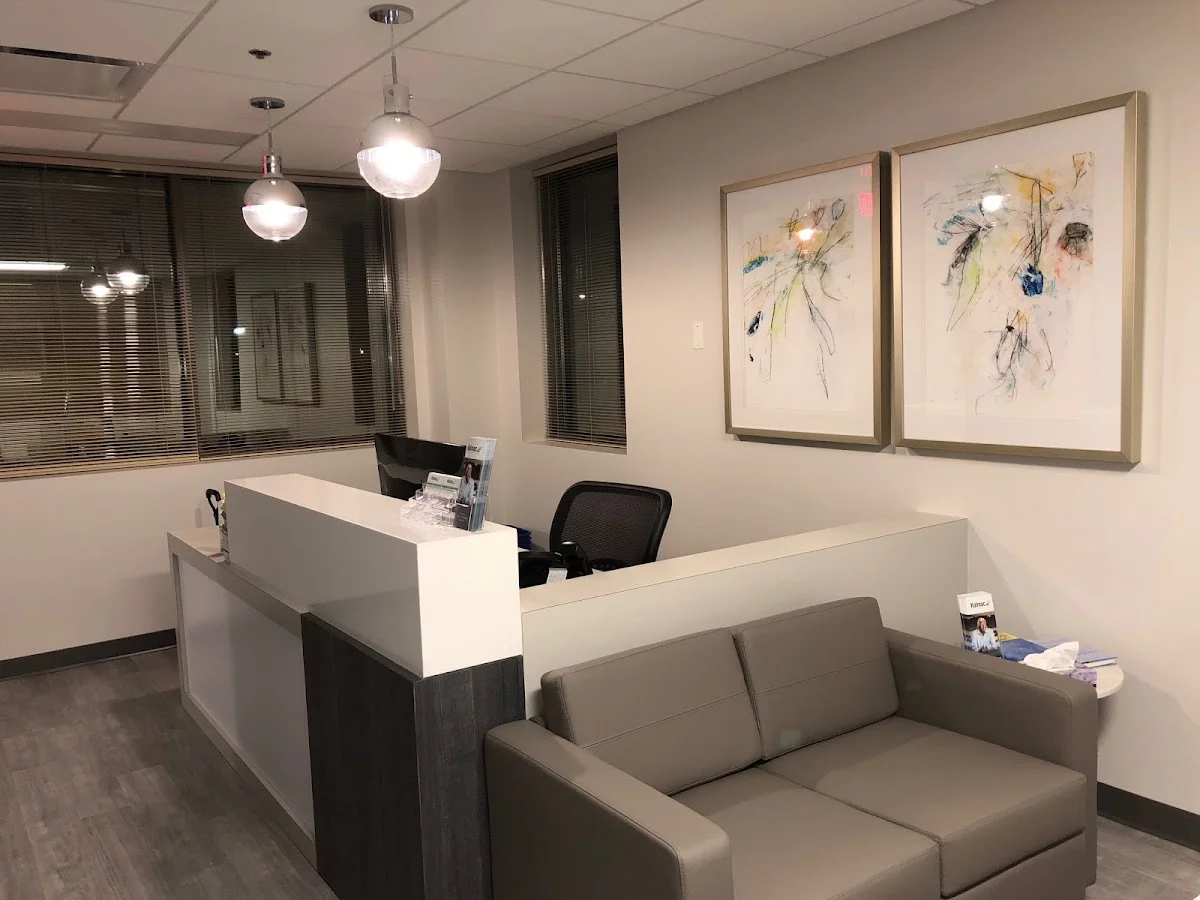
Dual diagnosis treatment is an essential approach for individuals who are grappling with both mental health disorders and substance use disorders. In Maryland, as in other regions, the prevalence of co-occurring disorders poses a significant challenge, but understanding and addressing these complexities can lead to more effective recovery pathways.
Understanding Dual Diagnosis
Dual diagnosis, also known as co-occurring disorders, refers to the simultaneous presence of a mental health disorder and a substance use disorder. This condition complicates both diagnosis and treatment, as the symptoms of one disorder can exacerbate the other, leading to a cycle that is difficult to break.
Common Co-Occurring Disorders
In Maryland, several mental health disorders frequently co-occur with substance use disorders. The most common include:
- Depression: Individuals may turn to drugs or alcohol to cope with feelings of sadness and hopelessness.
- Anxiety: Substance use can initially provide relief from anxiety symptoms but ultimately worsens them.
- 创伤后应激障碍(PTSD): Many individuals with PTSD may self-medicate with substances to numb their distressing memories.
- Bipolar Disorder: The mood swings associated with bipolar disorder can lead to impulsive substance use as individuals seek to stabilize their emotions.
The Importance of Simultaneous Treatment
Treating both mental health and substance use disorders at the same time is crucial for several reasons:
- Interconnected Symptoms: The symptoms of mental health disorders can lead to increased substance use and vice versa, making it vital to address both concurrently.
- Improved Outcomes: Integrated treatment approaches demonstrate higher success rates in recovery, reducing the likelihood of relapse.
- Holistic Care: Addressing both disorders allows for a more comprehensive understanding of an individual’s needs, leading to better overall health and well-being.
Integrated Treatment Approaches
Integrated treatment is a coordinated approach that addresses both mental health and substance use disorders. In Maryland, effective dual diagnosis programs often incorporate the following:
- 综合评估: A thorough evaluation of both mental health and substance use history is crucial to developing a tailored treatment plan.
- Collaborative Care: A multidisciplinary team, including therapists, psychiatrists, and addiction specialists, works together to provide cohesive care.
- 个性化治疗方案: Each individual’s treatment plan should reflect their unique challenges and goals, ensuring they receive the most appropriate care.
What to Look for in a Dual Diagnosis Program in Maryland
When seeking a dual diagnosis program in Maryland, consider the following key factors:
- 认证: Ensure the facility is accredited and adheres to state and national standards for mental health and substance use treatment.
- Therapeutic Modalities: Look for programs that offer evidence-based therapies tailored to dual diagnosis, such as Dialectical Behavior Therapy (DBT) and Cognitive Behavioral Therapy (CBT).
- 售后服务: A robust aftercare program is essential for maintaining recovery and preventing relapse after treatment.
- 家庭参与: Programs that include family therapy can help strengthen support systems and enhance recovery outcomes.
Medication Management in Recovery
Medication management plays a vital role in recovery for individuals with dual diagnoses. Appropriate medications can help stabilize mood, reduce anxiety, and manage withdrawal symptoms. In Maryland, professionals will often assess the need for medications such as:
- Antidepressants: To alleviate symptoms of depression.
- Anti-anxiety medications: To help manage anxiety-related symptoms.
- Antipsychotics: For those with bipolar disorder or severe PTSD.
- Medications for addiction: Such as methadone or buprenorphine, to help manage cravings and withdrawal symptoms.
Therapy Modalities for Dual Diagnosis
Effective therapy is a cornerstone of dual diagnosis treatment. In Maryland, various therapeutic modalities are employed, including:
- Dialectical Behavior Therapy (DBT): Focuses on developing skills for emotional regulation and interpersonal effectiveness.
- Cognitive Behavioral Therapy (CBT): Helps individuals identify and change negative thought patterns that contribute to both mental health issues and substance use.
- Eye Movement Desensitization and Reprocessing (EMDR): Particularly effective for those with PTSD, EMDR helps process traumatic memories and reduce their emotional charge.
Local Maryland Resources for Dual Diagnosis Treatment
Maryland offers a range of resources for individuals seeking dual diagnosis treatment. Some notable options include:
- Maryland Department of Health: Provides resources and referrals for mental health and substance use services.
- The Maryland Coalition of Families: Offers support and resources for families dealing with mental health and substance use issues.
- 当地治疗中心: Many facilities throughout Maryland specialize in dual diagnosis treatment, offering comprehensive programs tailored to individual needs.
In conclusion, navigating the challenges of dual diagnosis can be daunting, but with the right support and treatment, recovery is possible. If you or a loved one is struggling with co-occurring disorders in Maryland, reach out to local resources and take the first step towards healing.
More Recovery Resources in Maryland
Sober Network is a directory, not an intake form. Explore local facilities and contact providers directly.