Finding the right addiction treatment center in Maryland can be a life-changing decision. With a variety of options available, it's essential to understand what each treatment center offers and how to evaluate their quality of care. This comprehensive guide will provide you with the information you need to make an informed choice for yourself or a loved one seeking recovery.
Types of Treatment Centers
Maryland offers several types of addiction treatment centers, each designed to meet different levels of care and patient needs:
-
Residential Treatment Centers
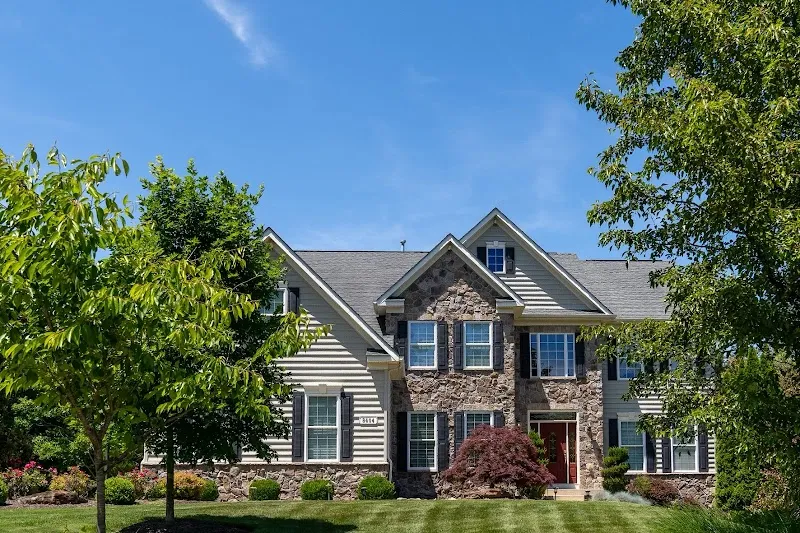
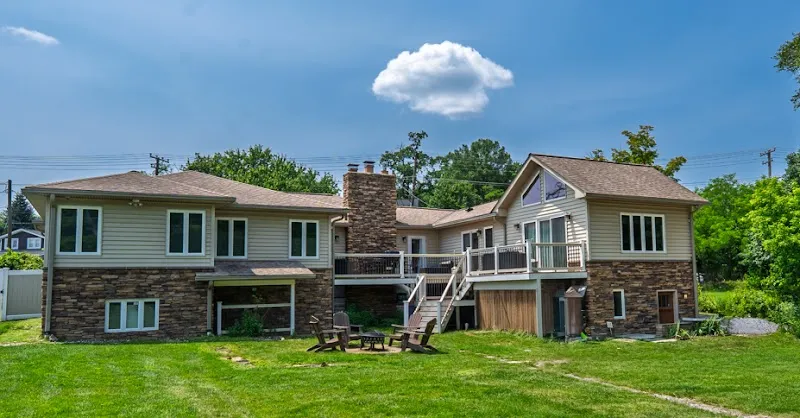
Residential treatment centers provide a structured environment where individuals live on-site for the duration of their treatment. This type of program is ideal for those with severe addictions, requiring intensive support and supervision.
-
Programas de Hospitalização Parcial (PHP)
PHPs offer a step-down from residential care, allowing individuals to receive intensive therapy during the day while returning home in the evenings. This option is suitable for those who need continued support but have a stable home environment.
-
Programas Intensivos de Tratamento Ambulatorial (IOP)
IOPs provide a flexible treatment option for individuals who can maintain their daily responsibilities while attending therapy several times a week. This level of care is often recommended for those transitioning from residential treatment or those with less severe addictions.
How to Evaluate Quality of Care
When searching for an addiction treatment center, consider the following factors to evaluate the quality of care:
- Qualificações da equipe: Look for centers with licensed professionals, including addiction counselors, psychologists, and medical staff.
- Treatment Approaches: Ensure that the center uses evidence-based treatments tailored to individual needs.
- Success Rates: Inquire about the center’s success rates and follow-up care to understand the effectiveness of their programs.
- Patient Reviews: Reading testimonials and reviews can give you insight into the experiences of former patients.
Accreditation
Accreditation is a crucial indicator of a treatment center's quality. Look for centers accredited by:
- CARF (Commission on Accreditation of Rehabilitation Facilities): This accreditation ensures that the facility meets high standards of care.
- Joint Commission: Facilities accredited by the Joint Commission demonstrate a commitment to quality and safety in healthcare.
What to Expect During Admission
The admission process can be a crucial first step in recovery. Here’s what to expect:
- Avaliação inicial: A thorough evaluation will be conducted to determine the appropriate level of care based on individual needs.
- Medical History: Patients will be asked to provide their medical history, including any previous treatments and medications.
- Personal Goals: Discussing personal recovery goals will help tailor the treatment plan to fit individual aspirations.
- Orientation: New patients will receive an orientation to familiarize themselves with the facility, staff, and daily routines.
Average Cost and Length of Stay
The cost of addiction treatment in Maryland can vary significantly depending on the type of treatment, facility, and duration of stay:
- Residential Treatment: The average cost can range from $500 to $2,000 per day, with stays typically lasting 30 to 90 days.
- PHP: Costs range from $300 to $700 per day, and treatment usually lasts 3 to 6 weeks.
- IOP: Average costs can be between $250 and $500 per session, with programs lasting several weeks to months.
Insurance-Accepted Facilities in Maryland
Many treatment centers in Maryland accept various insurance plans. It's essential to contact the facility directly to verify coverage and understand your financial responsibilities. Common insurance providers include:
- Medicare
- Medicaid
- Private insurance plans such as Blue Cross Blue Shield, Cigna, Aetna, and United Healthcare.
State-Funded Options
If cost is a concern, Maryland offers state-funded treatment options. These facilities provide services at little or no cost to eligible individuals. To access these programs, contact the Maryland Department of Health for information on local resources.
Planejamento de cuidados pós-operatórios
Aftercare is a vital component of the recovery process. It helps individuals maintain sobriety and prevent relapse. Here are some aftercare options to consider:
- Grupos de apoio: Organizations like Alcoholics Anonymous (AA) and Narcotics Anonymous (NA) provide ongoing support and community.
- Terapia contínua: Engaging in individual or group therapy can help address underlying issues and provide ongoing support.
- Treinamento em Habilidades para a Vida: Programs that focus on life skills can assist individuals in reintegrating into society successfully.
How to Get Started
Taking the first step towards recovery can be daunting, but it’s essential to remember that help is available. Here’s how to get started:
- Entre em contato: Contact a treatment center to discuss your options and schedule an assessment.
- Involve Loved Ones: Encourage family members to be part of the process for additional support.
- Instalações de pesquisa: Take the time to review several centers to find the right fit for your needs.
Choosing the right addiction treatment center in Maryland can set the foundation for a successful recovery journey. Remember, you are not alone, and there are compassionate professionals ready to guide you through this transformative process.
Mais recursos de recuperação em Maryland
- Complete Guide to Sober Living in Maryland (2026)
- Insurance Coverage for Addiction Treatment in Maryland: Complete Guide
- Family Support for Addiction: Maryland Resources & Guide
- Conheça as Casas de Recuperação para Sobriedade em Maryland.
- Encontre centros de desintoxicação em Maryland
- Obtenha ajuda gratuita agora
Sober Network is a directory, not an intake form. Explore local facilities and contact providers directly.